Dallas After Dark: A History of Adult Entertainment in DFW
From burlesque rooms and downtown clubs to zoning battles and today’s regulated nightlife economy.
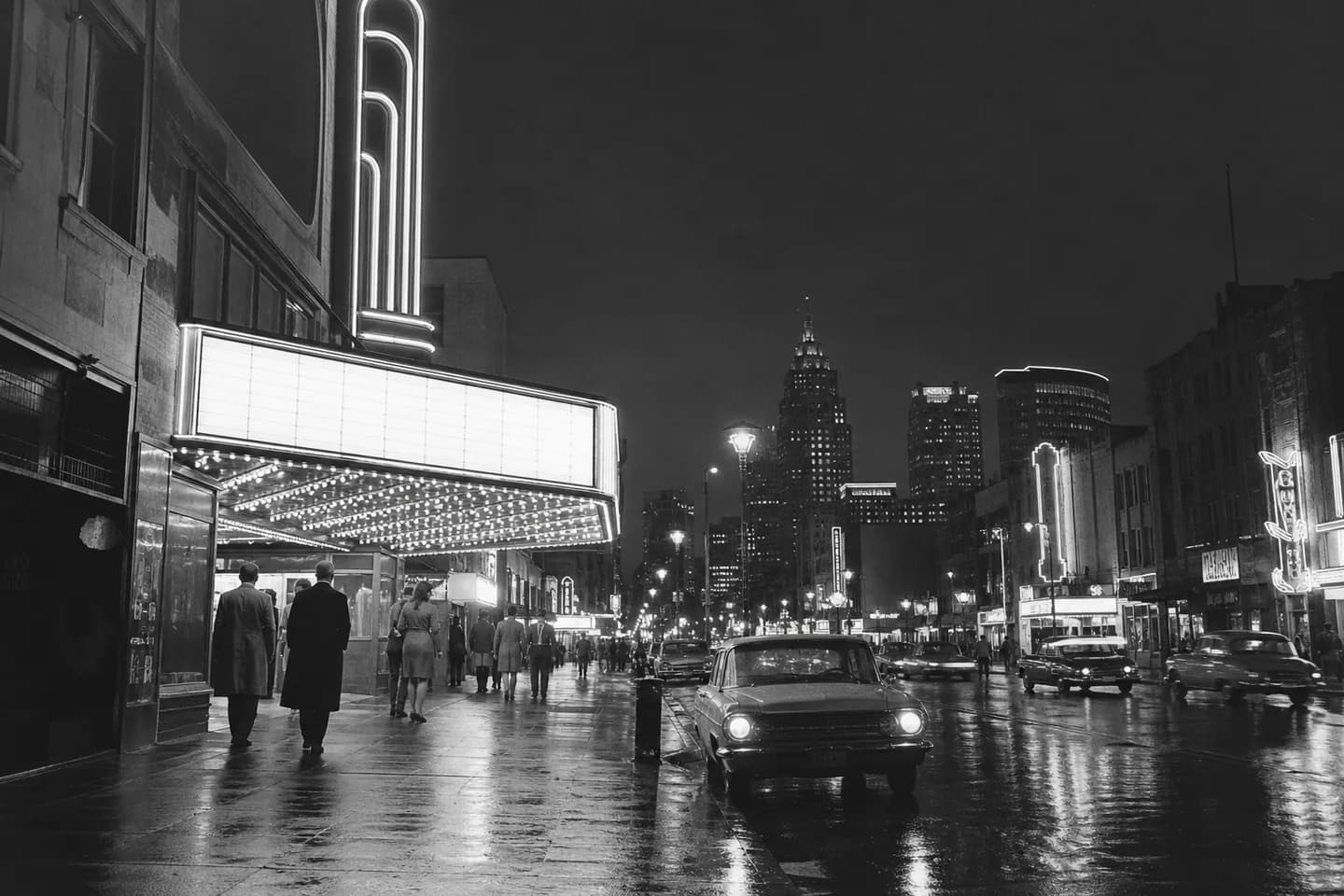
The history of adult entertainment in Dallas–Fort Worth is not one clean timeline. It is a layered story of touring burlesque, downtown supper clubs, dancers, club owners, workers, patrons, policing, real-estate pressure, and recurring arguments about what a growing city should allow after dark. The surviving record also favors owners, court cases, and sensational headlines over the everyday experiences of performers and staff, so any responsible history has to acknowledge what the archive leaves out.
From theater districts to the club economy
Mid-century Dallas nightlife mixed conventional theater, burlesque, music, and nightclub acts in and around downtown. Jack Ruby’s Carousel Club later became the most infamous name in that landscape, but it was not the whole scene. By the late 1960s and 1970s, topless dancing was becoming a more recognizable business category, and local entrepreneurs developed clubs that ranged from bare-bones rooms to polished hospitality operations. A 1996 D Magazine account captured how unusually business-minded the Dallas club market had become, even as its language reflected the era’s tendency to discuss performers as scenery rather than workers.
Regulation reshaped the map
Dallas adopted a sweeping sexually oriented business ordinance in 1986 and continued revising definitions, licensing rules, and location restrictions afterward. City rules separated adult businesses from homes, parks, schools, churches, and one another, while litigation tested where regulation ended and protected expression began. Those policies helped push clubs toward commercial and industrial corridors—especially around Northwest Highway and Stemmons—making geography part of the DFW adult-industry story. Fort Worth developed its own zoning and certificate requirements, so the Metroplex never operated under one uniform nightlife rulebook.
A modern industry with a public footprint
State policy added another layer. Texas created a per-entry fee for businesses that combine live nude entertainment with on-premises alcohol consumption; the Comptroller now lists that fee at ten dollars per admission. Meanwhile, local debates have continued over operating hours, public safety, employment, and neighborhood impact. The result is an industry that is lawful but tightly regulated, economically visible but often discussed without worker voices. That tension—between entertainment, labor, expression, and municipal control—is more revealing than any nickname about Dallas being a strip-club capital.
Where the history goes next
Velvet’s role is not to romanticize every business or erase legitimate safety concerns. It is to document lawful adult culture with sources, distinguish consensual entertainment from exploitation, and make room for creators and workers to describe their own experience. Continue with our guide to DFW adult culture, then use the live calendar to see how today’s burlesque, nightlife, retail, education, and lifestyle communities share the same regional after-dark map.
Velvet publishes general education, not medical or legal advice. Adults remain responsible for their choices, boundaries, health, and compliance with venue rules and applicable law.